
Course
Photography
Registration opens on 1 March 2026.
Stay tuned!
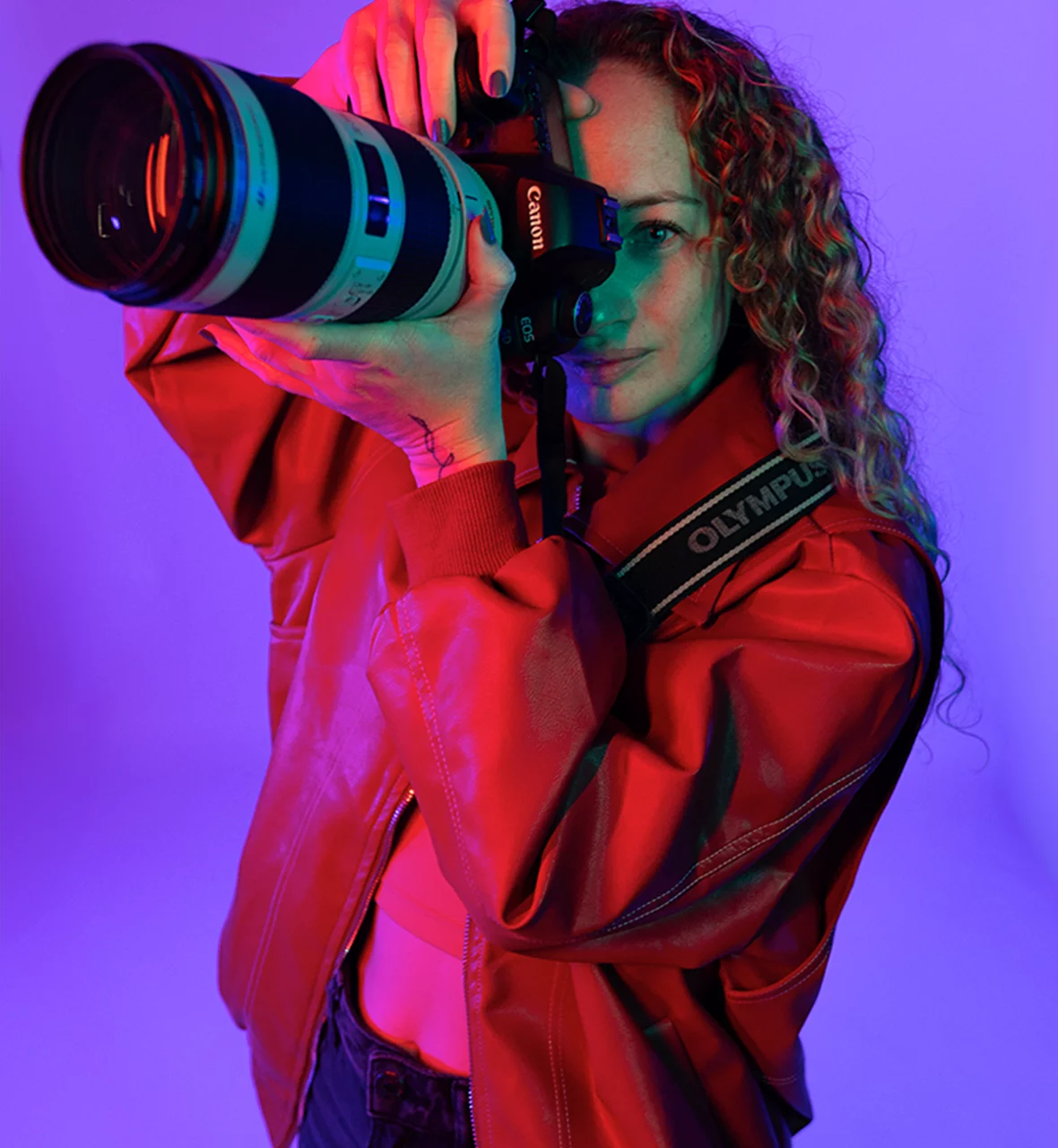
The art of observation
The ETIC_Algarve Photography Technical Course is a technical, professional and creative training that prepares you to work in the Photography Area in multiple contexts. With technical education and practical training, you will learn to master everything from handling photographic equipment to post-production, developing a creative and technical eye to capture impactful images.
Throughout this photography training you will acquire skills such as:
- Portrait photography, advertising, real estate/architecture and photojournalism
- Handling of photographic equipment and accessories
- Photographic post-production and image editing
- Use of photography as a form of visual expression and communication
- Application of creative and artistic techniques in capturing images.
This technical training in photography prepares you to build a solid and versatile portfolio, opening doors to work as an independent photographer, integrate agencies or collaborate in editorial and commercial projects.
This technical training in photography prepares you to build a solid and versatile portfolio, opening doors to work as an independent photographer, integrate agencies or collaborate in editorial and commercial projects.
ETIC_Algarve also offers an optional 320-hour extracurricular internship through the JUMP – Professional Integration Support program, for a confident entry into the job market.
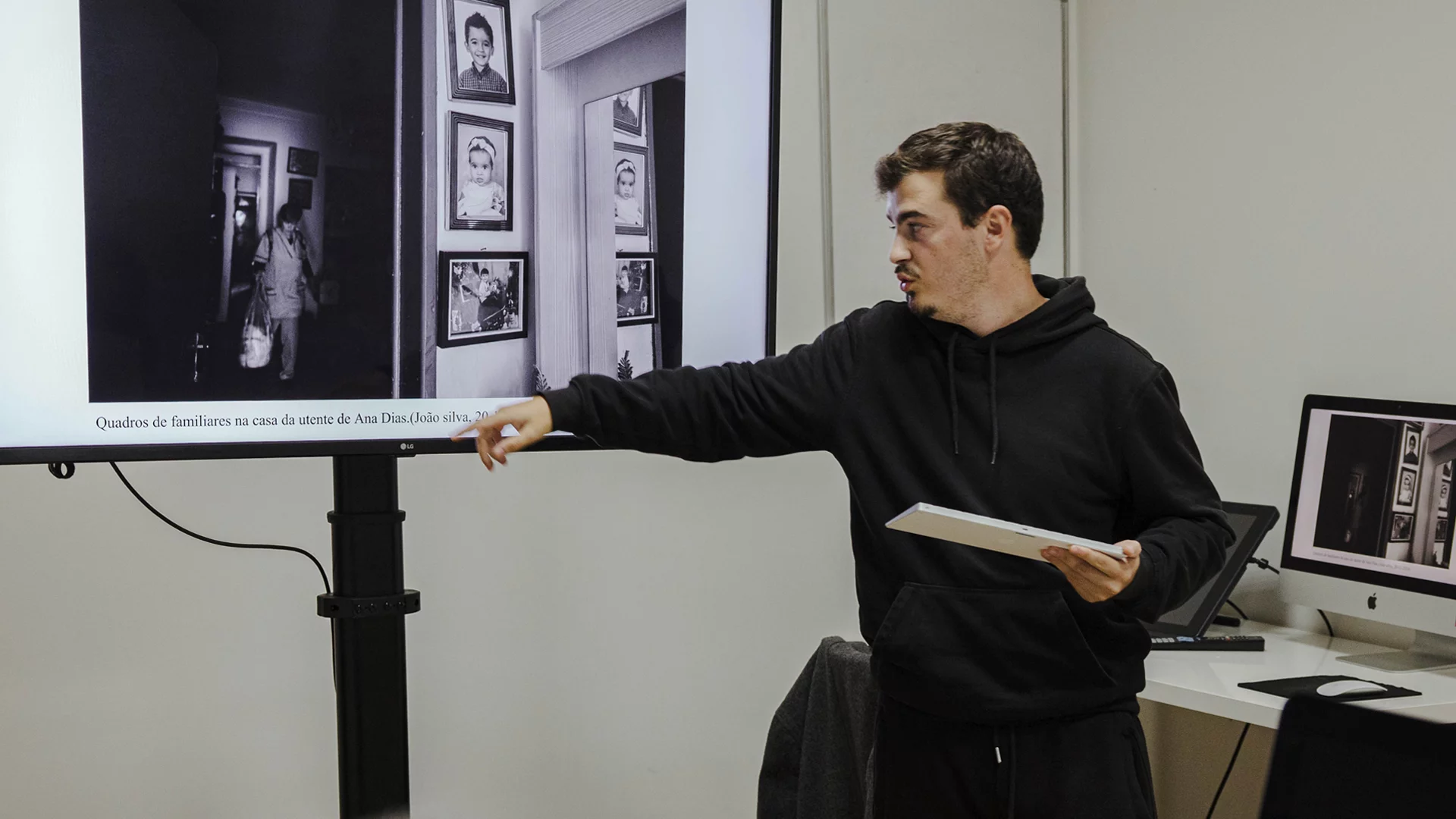
Trainee Support
Concern for the well-being of trainees is a constant, which is why ETIC_Algarve has been providing its community with various services that contribute to their personal and human growth.
Whether in support of Insertion into the Labour Market, or in Support of Personal Development, or through financial supports granted through the recent Training Grant, there are several ways we make available to trainees to facilitate and promote their growth.
Training Grant
JUMP Internships
Personal development
1 Year
320 hours
Classes from October to July
3 nights a week, from 7 p.m. to 10 p.m./11 p.m.
Number of Trainees
Maximum 16
And after the course?
Erasmus+
With the completion of this training you will have the possibility to participate in our ERASMUS+ European mobility project.
Career opportunities
- Social and Event Photographer
- Advertising and Fashion Photography Assistants
- Freelance real estate photographer and/or for real estate agencies.
Contents
-
History of Photography
-
- History of Photography and its Photographic processes
- The Pioneers. Primitive techniques and subsequent evolution
- Movements, currents and trends
- Photography in Portugal
-
Photographic Techniques
-
- Camera components
- The shutter and diaphragm. Shutter/diaphragm relationship. Depth of field
- Lenses, types and characteristics
- ISO value
- Analogue and digital, similarities and differences
- Light measurement. The histogram. Concept of colour temperature. White balance.
- Composition and framing concepts
- Photography practice
-
Lighting
-
- The Light and its characteristics
- Natural and artificial light
- Continuous light and electronic flash
- Photographic practice
-
Introduction to Portrait and Nude Photography
-
- Lighting techniques for photographing portraits in a studio
- Lighting techniques for photographing portraits outdoors
- The human body. Proportions and framing
- Nude Photography in the studio
- Model Direction
- Photographic practice
-
Introduction to Advertising Photography
-
- Characteristics of Advertising Photography
- Notions of photographic production
- Studio lighting techniques
- Photographic practice
-
Introduction to Real Estate/Architecture Photography
-
- Differences between Architecture Photography and for the Real Estate Market
- Basics for photographing spaces. Machine settings, how to do HDR merge, tripod usage
- How to approach a client, budgeting and session planning
- Specific photo post-production in Adobe
- Lightroom and Photoshop
- Working methodology, organisation of folders, backups and file
- Photographic practice
-
Introduction to Photojournalism
-
- The different types of written media outlets
- The various types of photojournalism
- Photojournalism and Documentary Photography
- Photographic practice
-
Photographic Post-Production
-
- The image in digital editing programs: pixel, resolution and scale
- Imaging Modes: B/W, Colors, RGB, CMYK
- Image editing software: Adobe Lightroom and Adobe Photoshop
- The painting in the image: Light, shadow, retouching and image correction
- Workflow, image cataloging, action creation and integration
- Image optimization; Export and integration with other digital tools and supports
-
Portfolio, Pitching and Entrepreneurship
-
- Communication and oral strategies
- Strategies and tools for business creation
- Creation and development of an individual portfolio
-
Project
-
- Analysis of reference projects
- The research work
- Create, develop and present an individual project
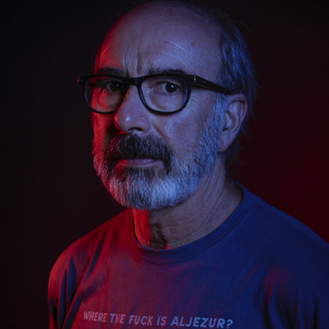
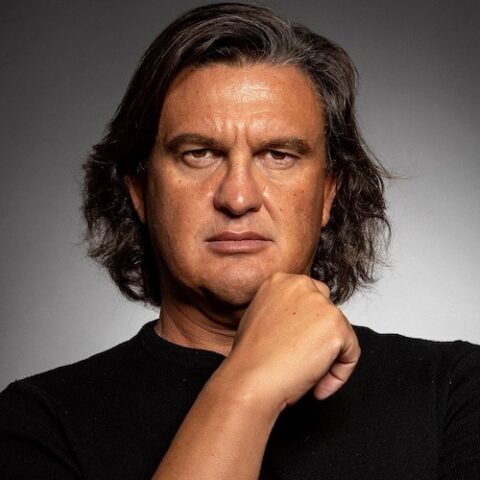
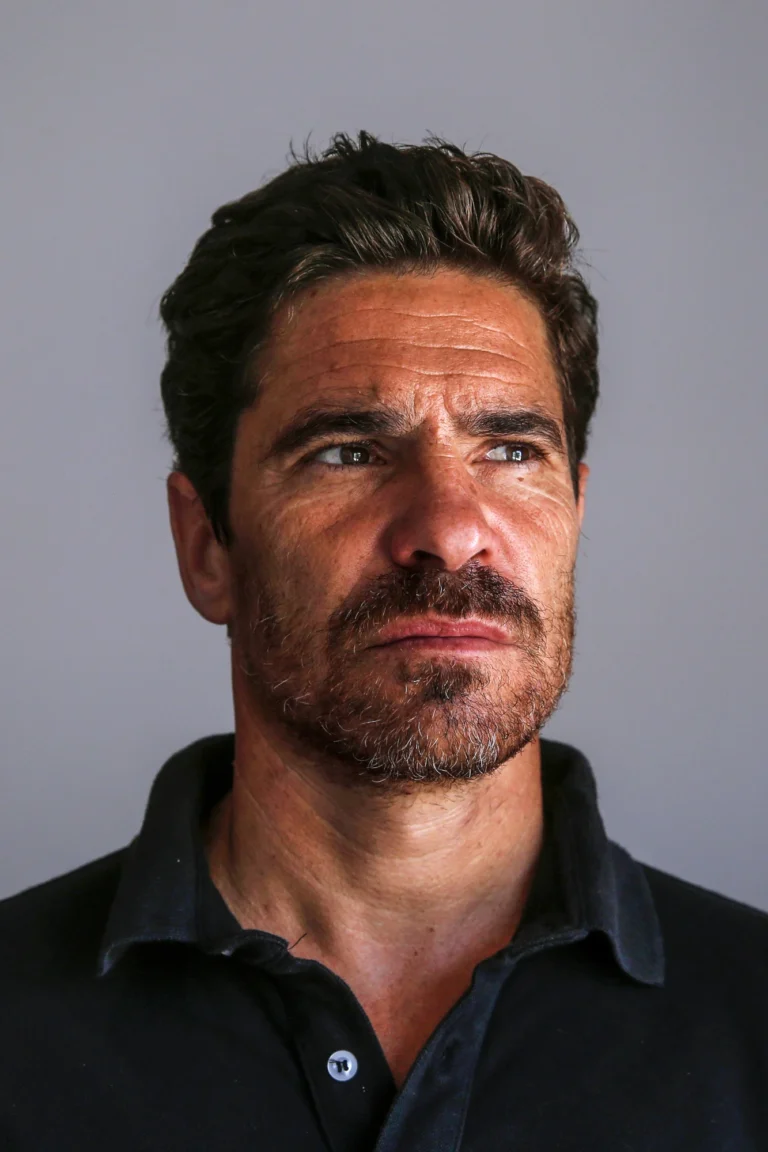
Trainers
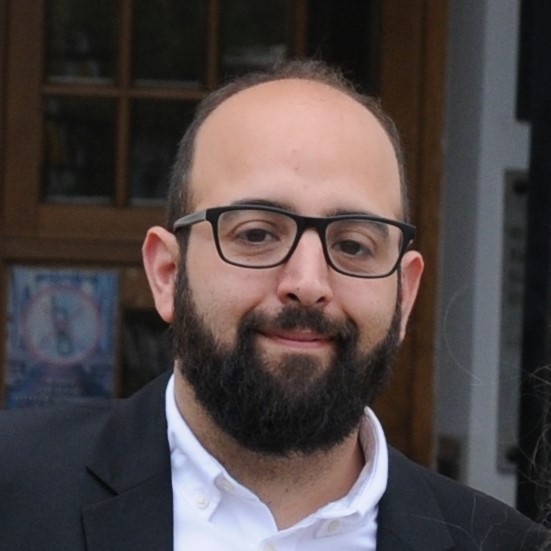
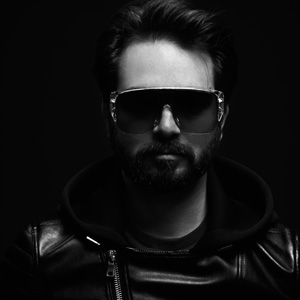
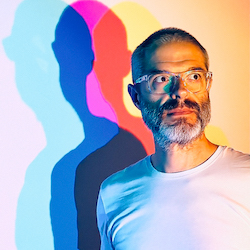
Resources and Equipment
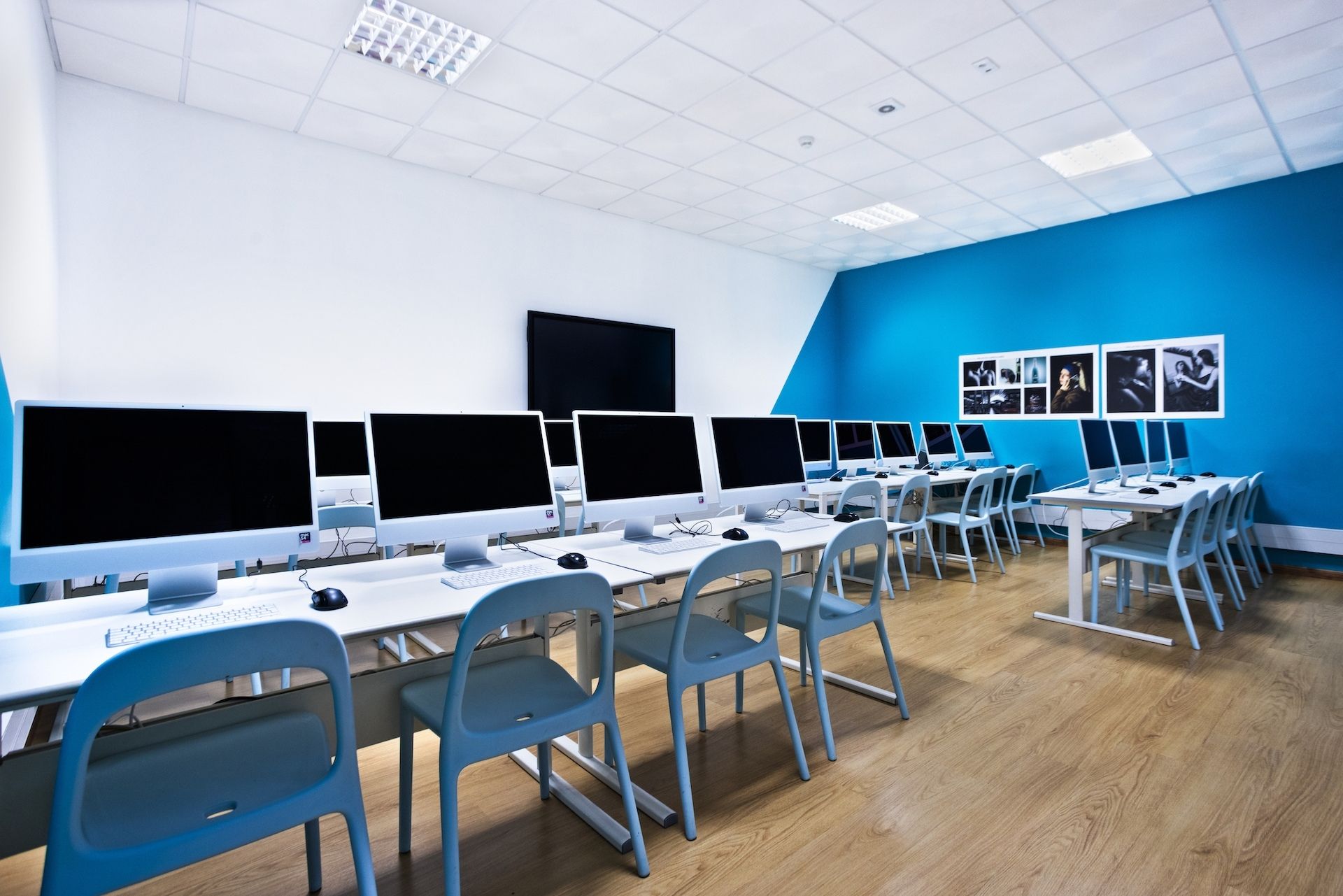
- Room equipped with one computer per trainee, with macOS or Windows environment
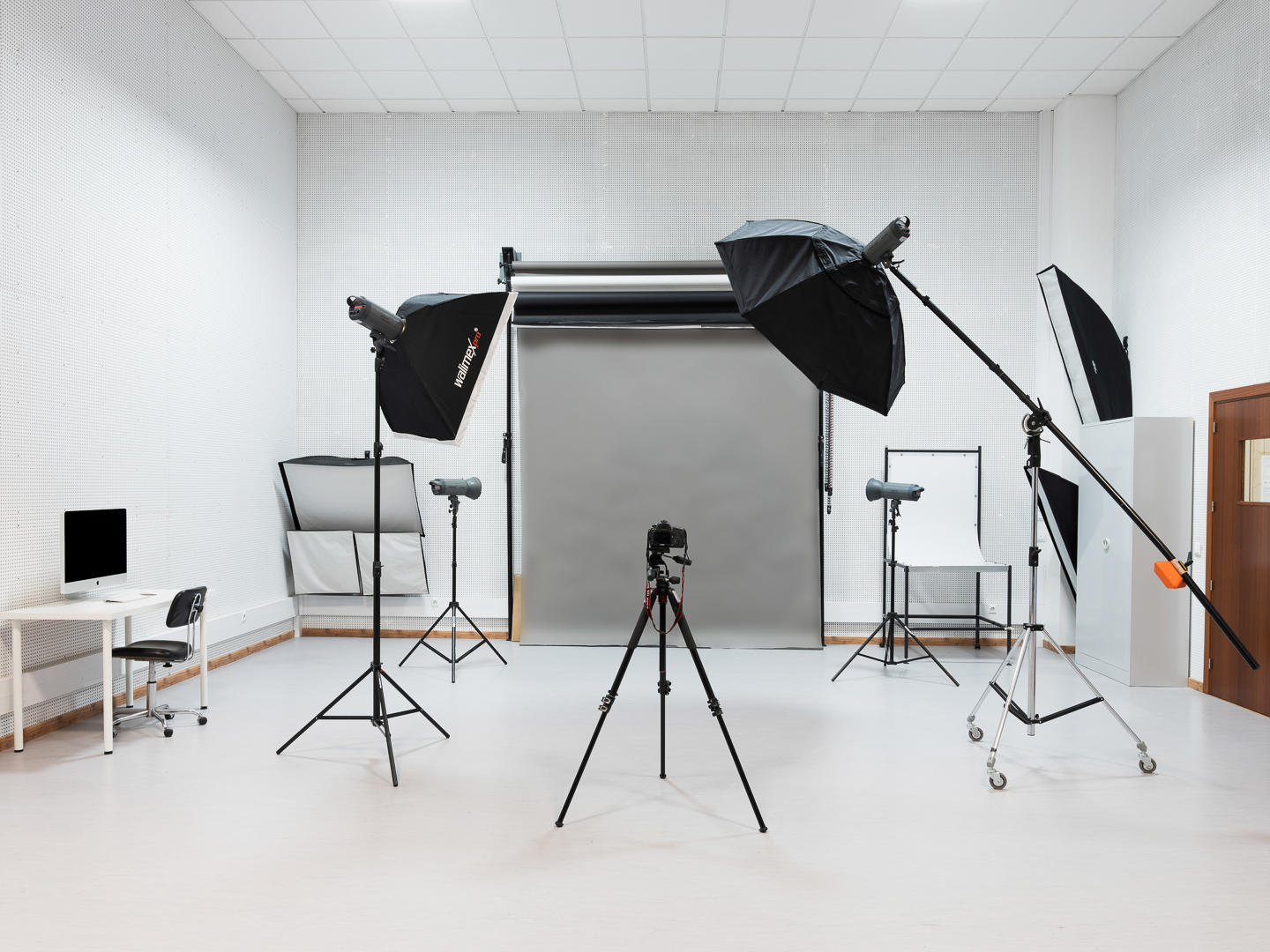
- Photography Studio equipped with continuous light and electronic flash Walimex, Godox and Profoto
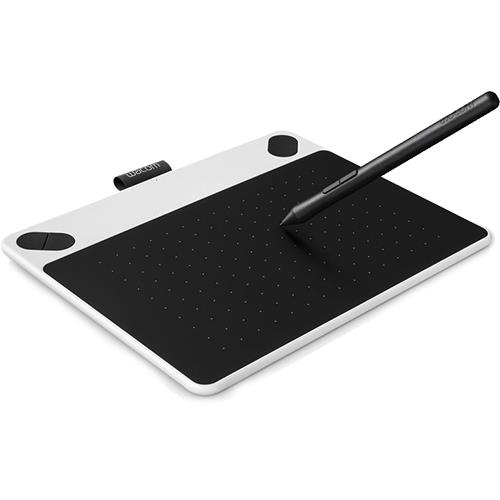
- Huion Kamvas and Wacom drawing tablets
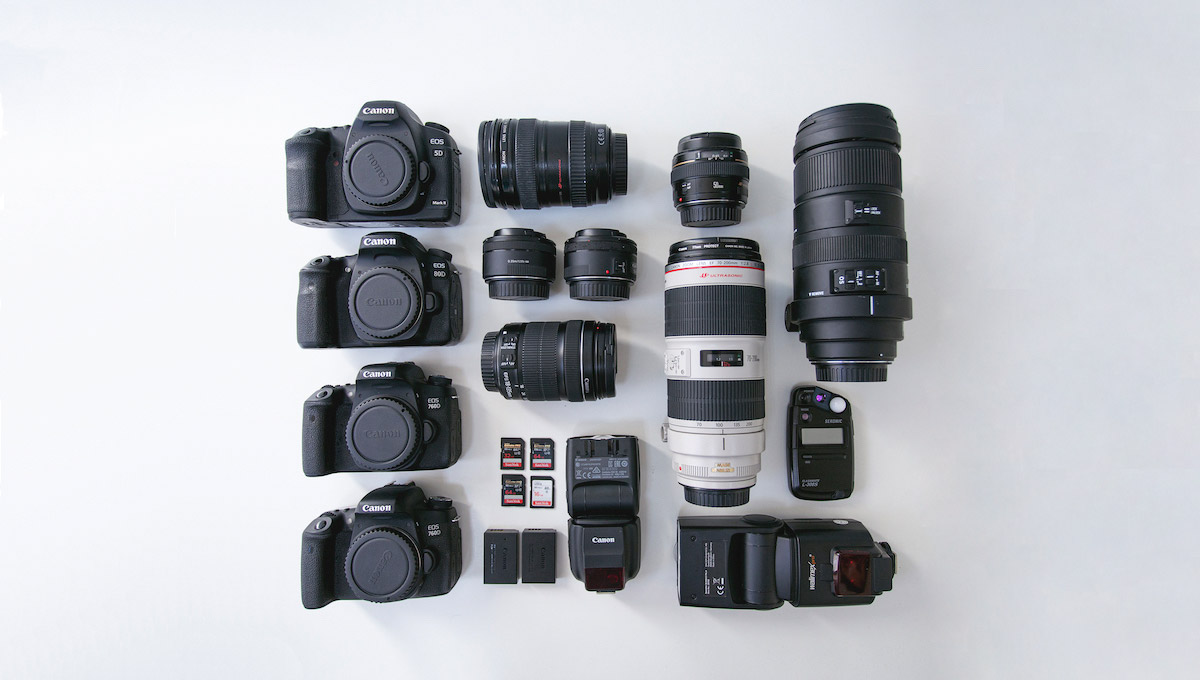
- DSLR Photographic Machines – (3 full frame and 5 APS-C), 2x Canon 5D MARKll, 1x Canon 5D MARKIII, 1x Canon 80D, 2x Canon 760D, 1x Canon 550D
- Mirrorless Photographic Machines – Canon R3, Canon R5, Canon R6 Mark II
- Medium Format Photographic Machine – Fujifilm GFX 50S
- 16 lenses for DLSR, 5 lenses for Mirrorless and 2 lenses for Medium Format
- Softwares: Adobe Creative Cloud: Bridge, Lightroom, Photoshop, InDesign, among others.
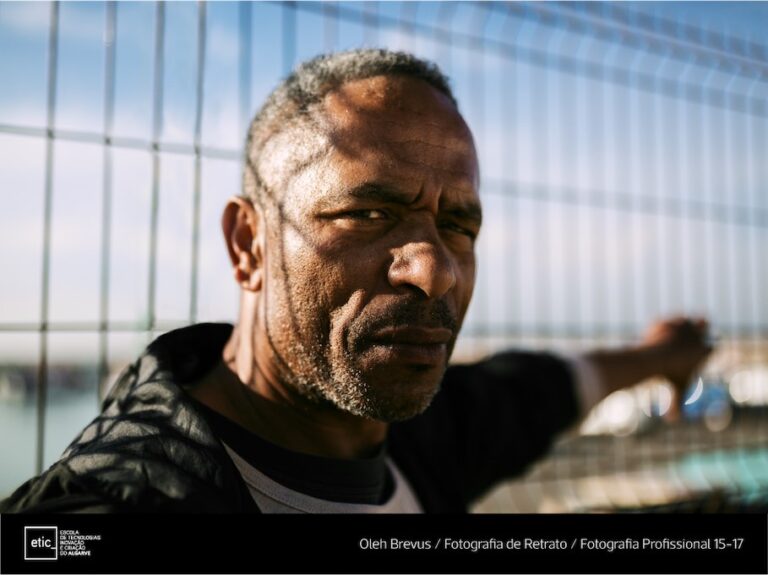
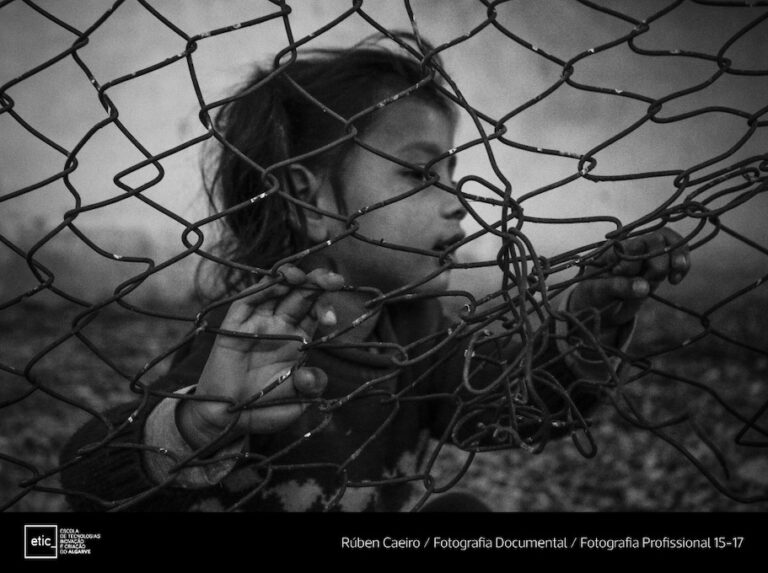
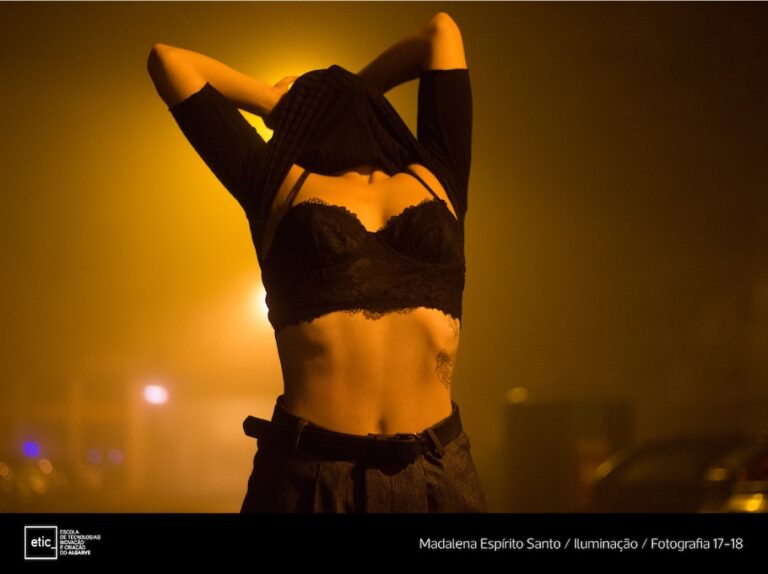
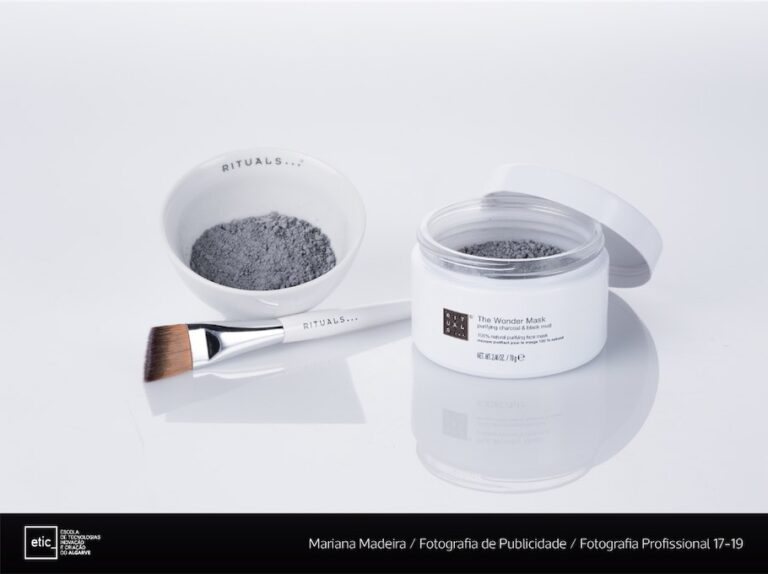
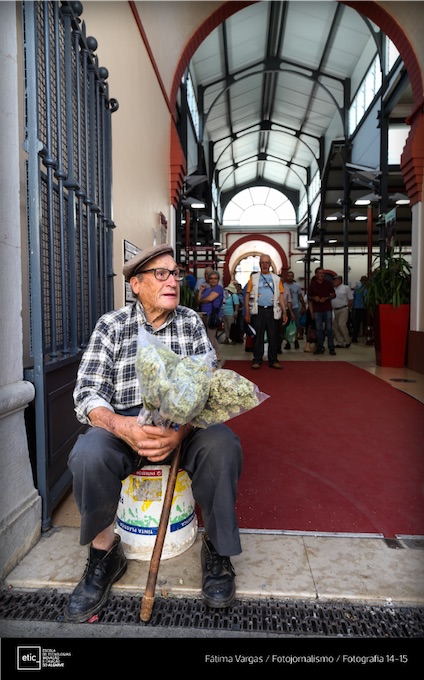
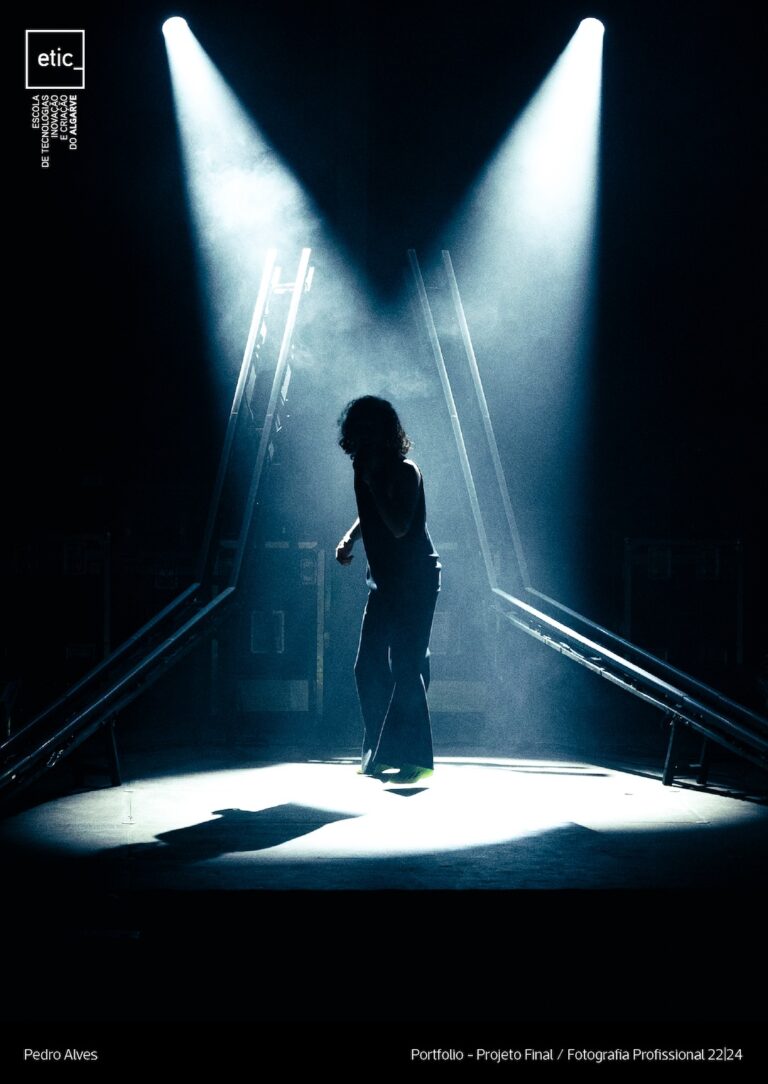
Portfolio
Application Process
- Schedule a personal interview, please contact info@eticalgarve.com or call 289 823 359 / 960 309 550.
- Completion of application form (sent by e-mail after appointment of interview)
- Attend the interview previously scheduled with the Pedagogical Director, in which you must present Portfolio, if you have
- Wait for communication of the result of the application.
Registration takes place between March and October, until classes begin, and as long as there are places on the courses.
They may be made after the admission conditions have been verified and upon payment of registration and presentation of:
- Curriculum / Biography
- 1 passport-type photograph, in digital format
- Certificate of qualifications
- Documents of the Applicant and the Payment Manager (Identity Card / Citizen Card + Taxpayer Card + Proof of address: electricity, water, telephone bill or driving licence)
- Completion and signing of the registration form and the training contract.
Are you interested?
Registration will reopen on March 1, 2026.
If you are interested in this course, please fill out the form.