Registration opens on March 1, 2026.
Stay tuned!
How to turn ideas into original songs
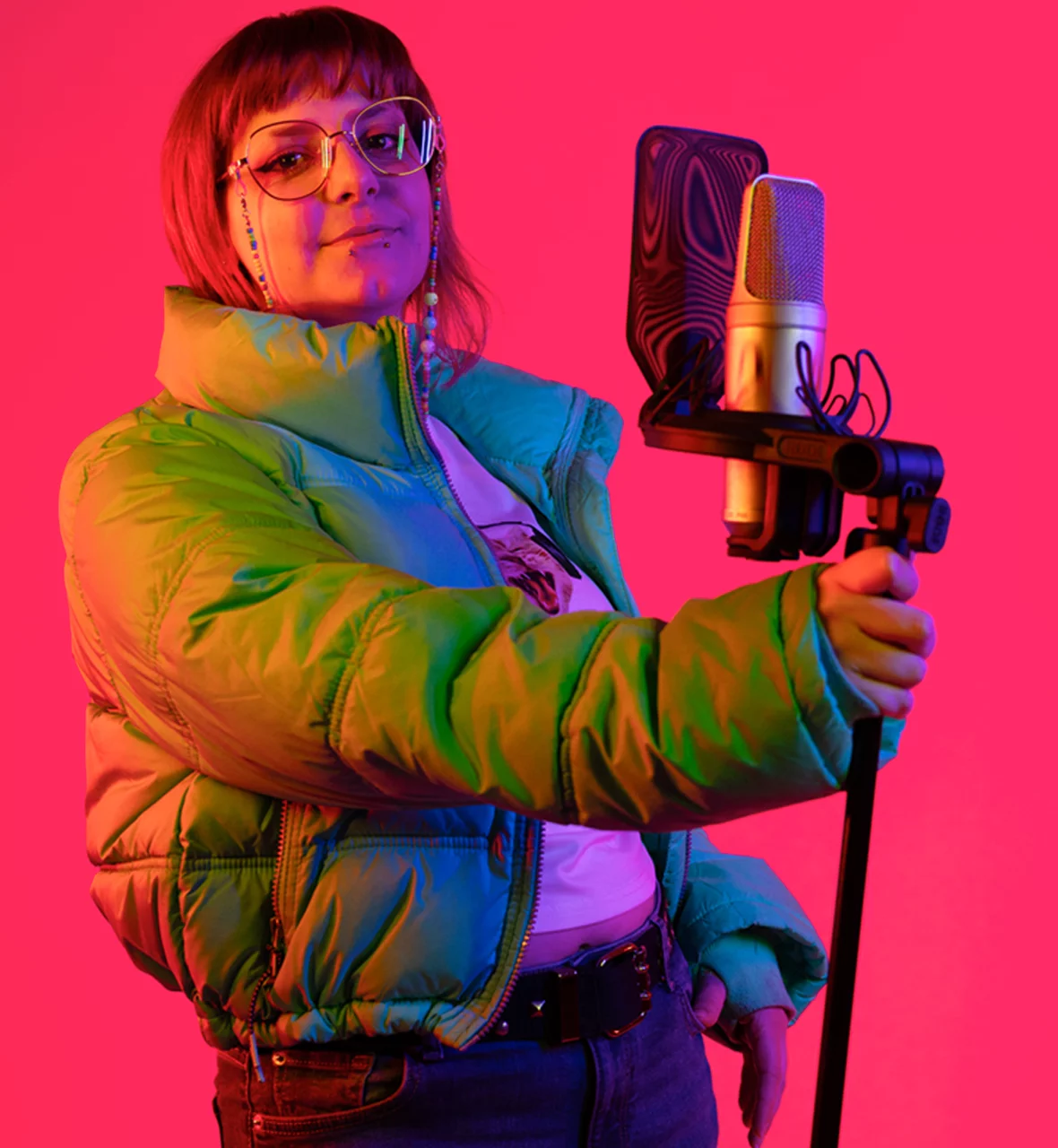
The ETIC_Algarve Technical Course in Songwriting is the right training for those who want to transform creativity into music. This course, unique in the Algarve and nationally, combines technical and practical training in the field of Sound and Music, teaching you how to write, compose, record and produce original songs.
During this musical training you will learn:
- Creation and direction of musical ideas
- Model production and pre-production
- Recording and mixing techniques
- Use of music creation software
- Live performance and interpretation.
More than just learning tools and processes, in this Technical Course in Sound and Music you will understand how the music industry works, developing skills to create and launch original projects in various musical genres.
At the end of this Technical Course, you will have the opportunity to participate in an ERASMUS+ European mobility project, enjoying an enriching international experience through an internship.
ETIC_Algarve also offers an optional 320-hour Extra Curricular Internship through the JUMP programme – Support for Professional Integration, for a confident entry into the job market.

Support for Trainees
Concern for the well-being of students is a constant priority, which is why ETIC_Algarve has been providing its community with various services that contribute to their personal and human growth.
Whether through support for entering the job market, personal development, or financial support granted through the recent Training Grant, we offer trainees a variety of ways to facilitate and promote their growth.
Training Grant

JUMP Internships

Personal development

1 Year
320 hours
Classes from October to July
3 nights a week, from 7pm to 10pm/11pm
Number of Trainees
Maximum 16
And after the course?
Erasmus+
Upon completion of this training, you will have the opportunity to participate in our ERASMUS+ European mobility project.
Career opportunities
- Singer-songwriter
- Singer
- Producer/Composer for audiovisual projects
- Artistic/musical director
- Voice-over
- Lyricist (Author).
Contents
-
Introduction to Studio Techniques
-
- Principles of acoustics and electricity
- Introduction to voice recording, electrical and electronic instruments
- Introduction to equalisation, levelling and stereo sound distribution
- Introduction to dynamics and effects processors – compressors, gates, reverbs, etc.
- Introduction to plug-ins, virtual tools associated with current music production technologies
-
History of Popular Musicvirtual tools associated with current music production technologies
-
- The history of popular music to the present day
- Introduction to the history of popular music, offering an overview of its evolution and transformation to the present day.
-
Language and Musical Composition I and II
-
- Basic music theory
- How to construct a piece of music
- MIDI theory and techniques
- Introduction to composition, arrangement and editing techniques using software
- Keyboard practice
-
Musical Analysis
-
- The construction and deconstruction of music
-
Music Production Techniques
-
- Composition, arrangement and editing techniques using software
- Introduction to finalisation, final mixing and mastering techniques
- Communication between hardware and software using MIDI
- Music construction, fixing, editing and programming techniques
- Introduction to synthesis, sampling, MIDI and VST
-
Voice Editing and Processing
-
- Voice editing and processing techniques for various musical genres
-
Singing Techniques
-
- Voice analysis and vocal styles
- Presence and vocal management, relaxation techniques, breathing and confidence
- Warm-up
- Singing techniques
- Melody, harmony and ad lib
-
Creative Writing and Vocal Composition
-
- Lyric writing and original theme creation
- Rhyme schemes
- Melodic phrases
- Time signature formulas
- Melodic patterns
- Pitch
- Vocal presence and management
- Improvisation
-
Music Production, Marketing and Distribution
-
- Personal promotion
- Copyright and royalties
- The world of music composition
- Consulting with industry professionals
- Portfolio development
- Advertising space
- Project management
- Promotion and publicity in the media
- Online presence: Bandcamp, YouTube, Spotify, among others
-
Introduction to Live Act Techniques
-
- Most commonly used software and hardware in musical performance
- Preparation for live performance
- Loops and musical beats for composition and real-time control
- Voice preparation and warm-up
-
Masterclasses
-
Final Project / Songwriting
-
- Music creation project from conception to completion, including scheduling the various stages of the process: concept creation, idea implementation, pre-production, recording, production, and preparation for release
- Individual and group exercise
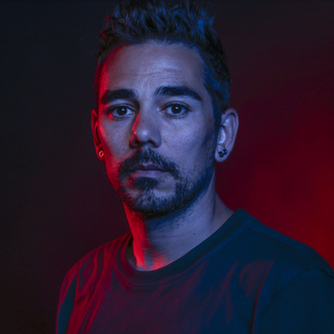
Trainers
Resources and Equipment
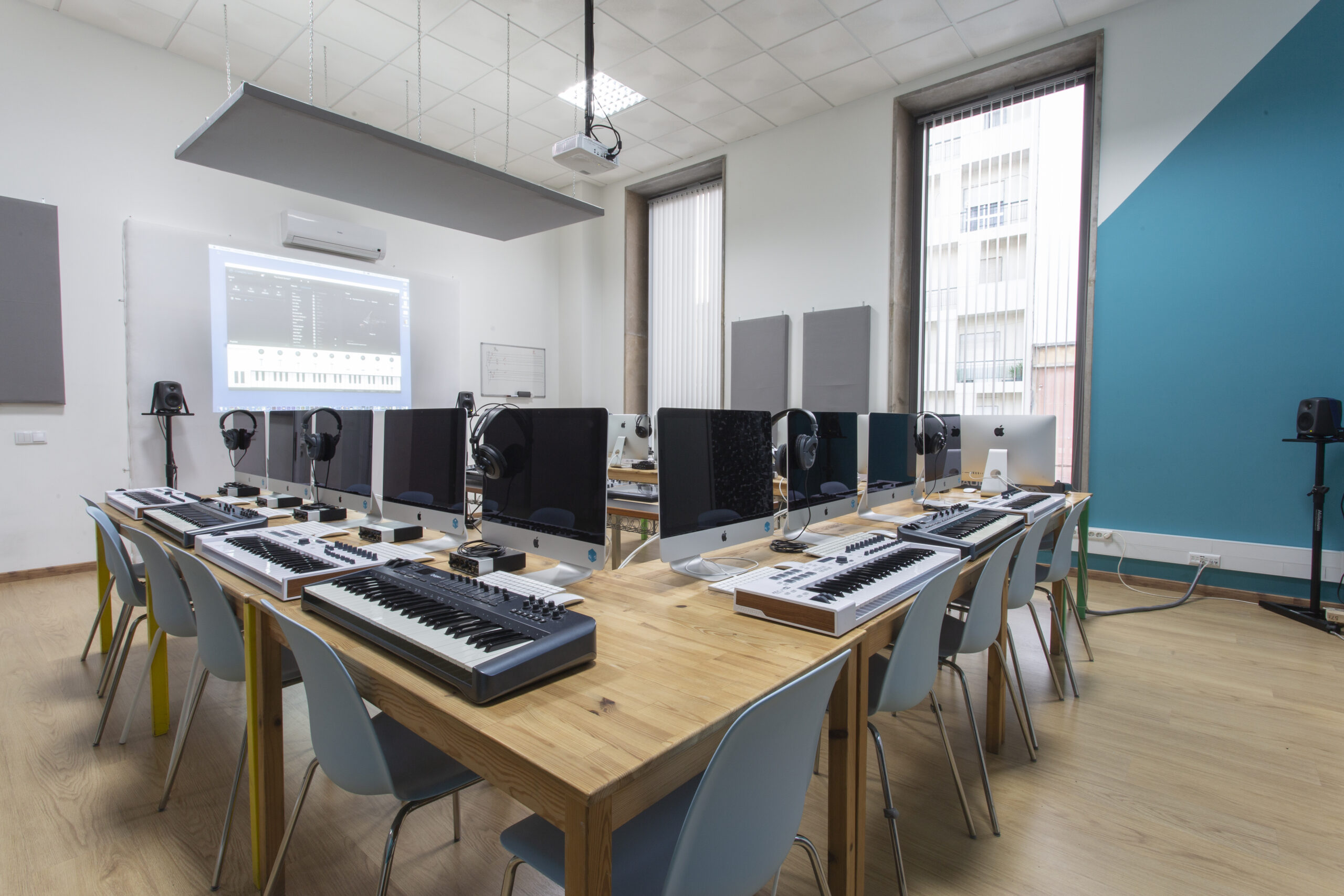
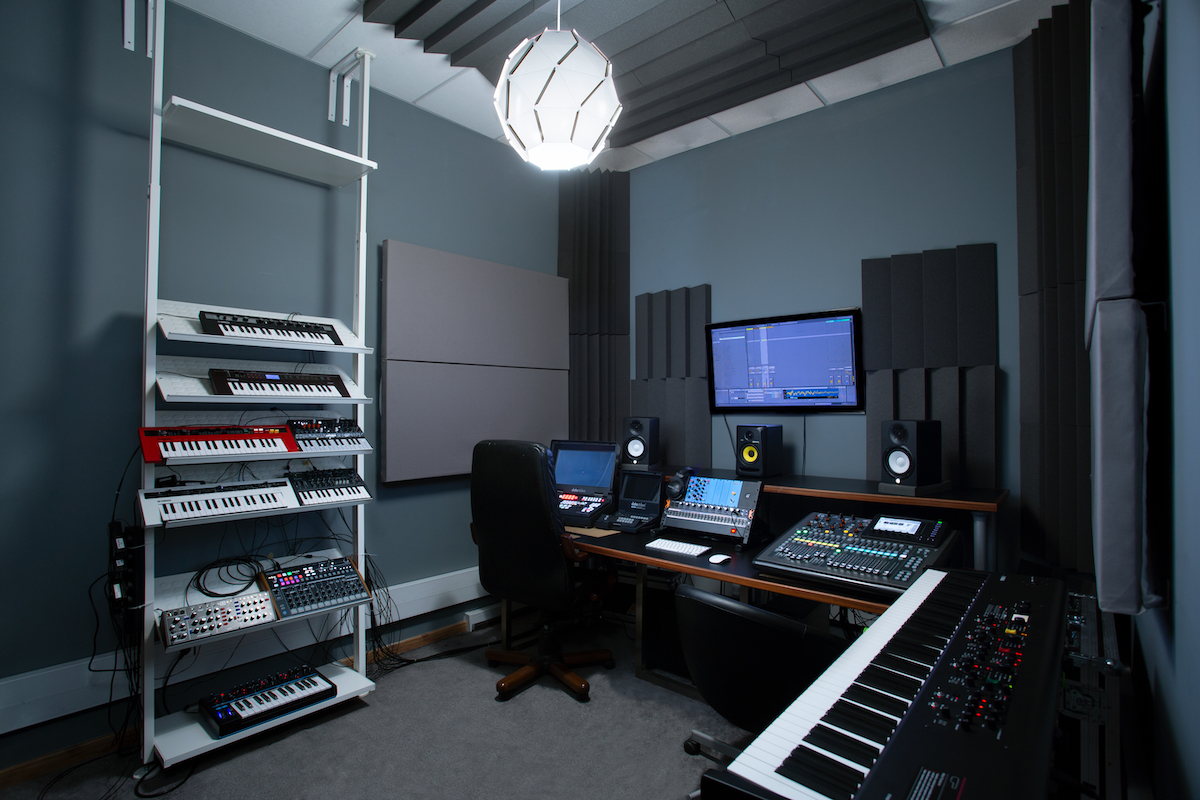
- Room equipped with one computer per trainee, with a macOS or Windows environment
- Zipmix Studio and Coalman Recordings sound studios
- Audio Editing and Mastering Production
- Dedicated audio interfaces
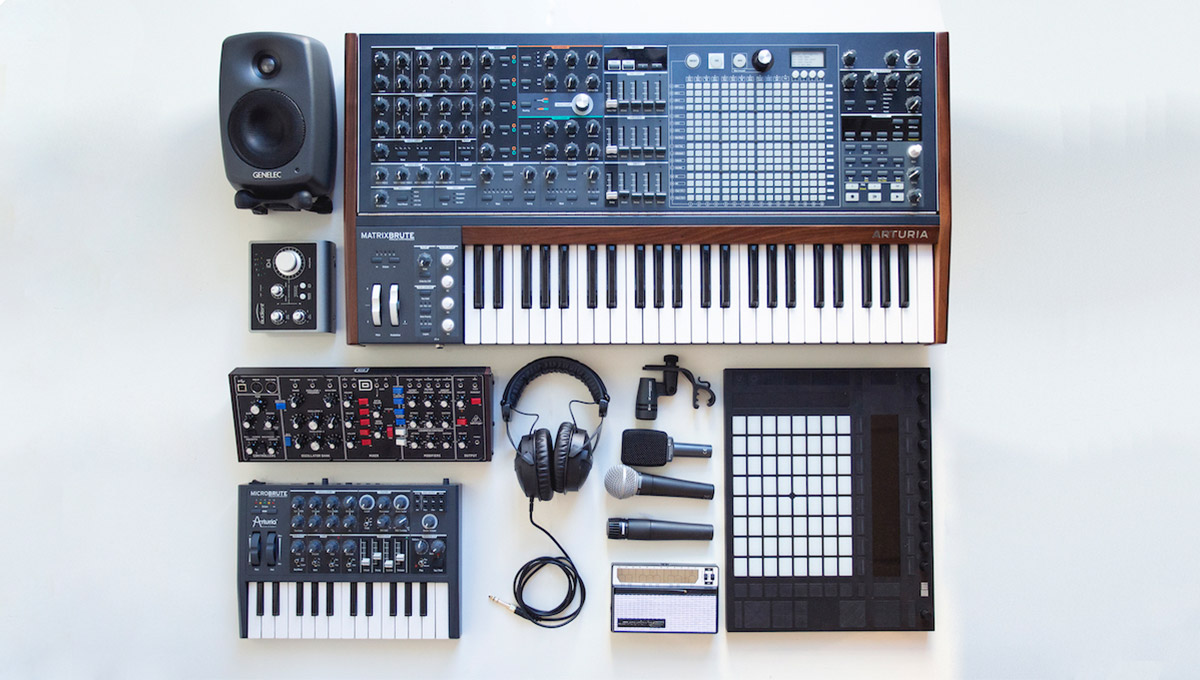
- Arturia KeyLab, MicroLab, and M-Audio MIDI keyboards
- MIDI controllers Ableton Push 2, AKAI APC mini, and Behringer
- Yamaha CP88 Electric Piano
- Arturia MiniBrute, Arturia MatrixBrute synthesizers; Arturia MiniFreak, Arturia MicroFreak, Yamaha Reface line – CP, DX, CS and YC models; Behringer Model D; Novation Bass Station II
- Arturia DrumBrute Rhythm Box
- Numark PT-01 Scratch Turntable
- Native Instruments Traktor Kontrol DJ controller
- Behringer X32 mixing desk, with JBL tops and subwoofers and The Box Pro monitoring, DI boxes
- 15 microphones for various recording formats
- Ableton Live, Analog Lab, DRC, Pro Tools, Waves Gold Bundle, Ozone software.
Portfolio
Application Process
- Schedule a personal interview, please contact info@eticalgarve.com or call 289 823 359 / 960 309 550.
- Completion of application form (sent by e-mail after scheduling the interview)
- Attend the previously scheduled interview with the Academic Director, at which you must present your portfolio, if you have one.
- Wait for notification of the application result.
Enrolment takes place between March and October, until the start of classes, and while there are places available on the courses.
Enrolment can be completed after the admission requirements have been verified and upon payment of the enrolment fee and presentation of:
- Curriculum / Biography
- 1 passport-type photograph, in digital format
- Certificate of qualifications
- Documents of the Applicant and the Payment Manager (Identity Card / Citizen Card + Taxpayer Card + Proof of address: electricity, water, telephone bill or driving licence)
- Filling out and signing the registration form and training contract.
Are you interested?
Registration will reopen on March 1, 2026.
If you are interested in this course, please fill out the form.